 Akel Homes4 locations
 Bluenest3 locations
 CC Homes3 locations
 Century Homebuilders4 locations
 Del Webb2 locations
 DiVosta8 locations
 DR Horton17 locations
 Dream Finders Homes4 locations
 GHO Homes4 locations
 GL Homes7 locations
 Holiday Builders5 locations
 K. Hovnanian8 locations
 Kenco CommunitiesView builder
 Kolter Homes7 locations
 Lennar30 locations
 LGI Homes5 locations
 Maronda Homes4 locations
 Mattamy6 locations
 Meritage Homes6 locations
 Minto Communities2 locations
 Onx Homes2 locations
 Pulte10 locations
 Ryan Homes9 locations
 Taylor Morrison2 locations
 Toll Brothers8 locations


How to Choose a Home Builder in South Florida: Checklist and Questions to Ask
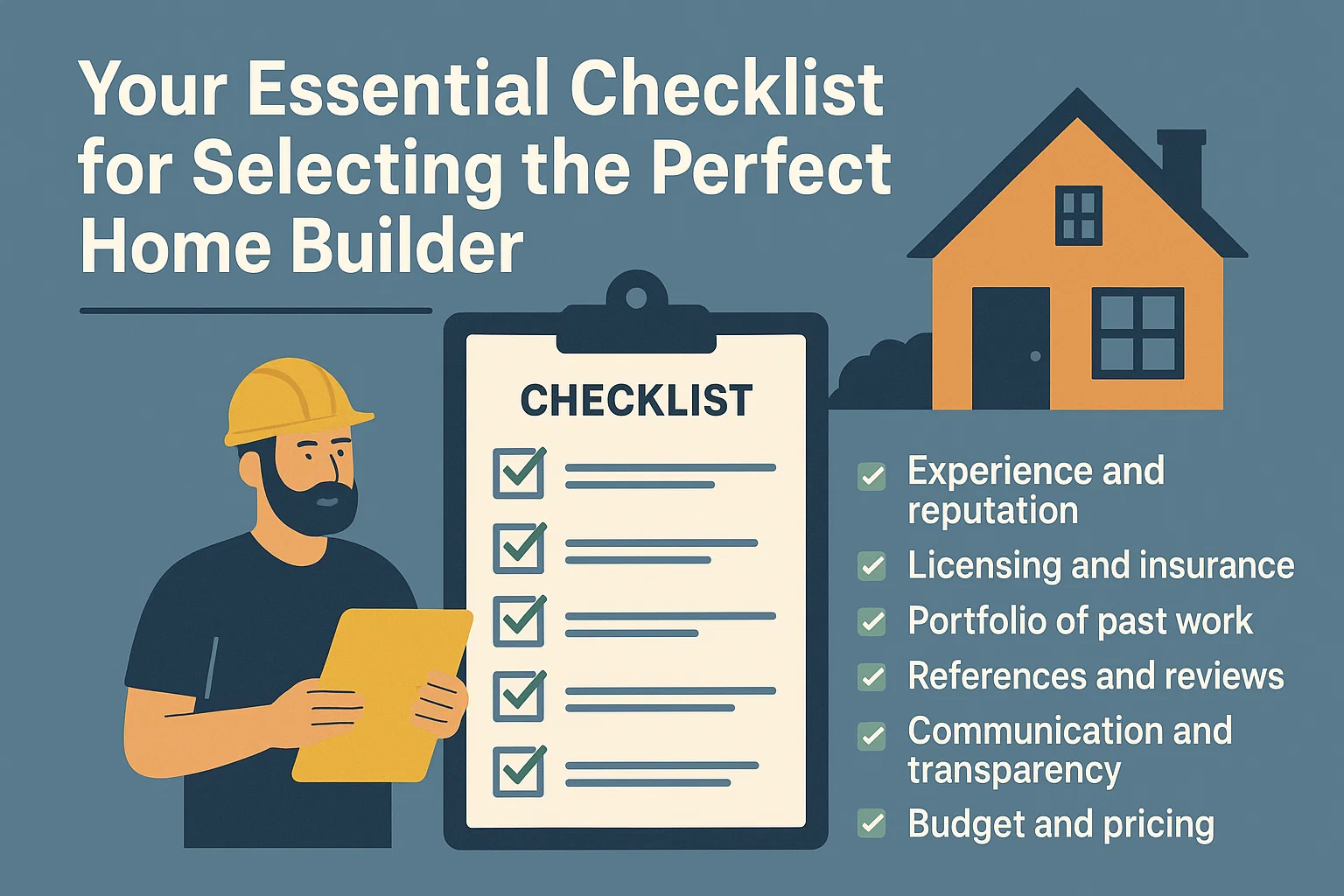
When you buy new construction, you’re choosing a builder as much as a house. The builder decides how well the home is put together, how long it takes, how the contract reads and how warranty problems get handled after you move in. Two communities a mile apart can feel similar in the model and turn out very differently a year later.
South Florida has a lot of builders to choose from, from national companies building hundreds of homes a year to smaller local firms. This guide covers how to narrow the field, how to check a builder’s track record, what to compare side by side, and the questions to ask before you sign.
Production, semi-custom or custom?
| Production builder | Semi-custom builder | Custom builder | |
|---|---|---|---|
| How it works | Set floor plans in planned communities, with options at a design center | A base plan you can modify, often on larger lots | A home designed for you, usually on your own land |
| Choices | Limited to the builder’s menu | More layout and finish flexibility | Nearly unlimited |
| Price | Lowest per square foot | Higher | Highest |
| Timeline | Predictable, with quick move-in homes available | Longer | Longest, including design and permitting |
| Best for | Most buyers who want a new home at a known price | Buyers who want more say in the design | Buyers with land, time and a specific vision |
Most new construction in South Florida comes from production builders. You’ll see national names like Lennar, D.R. Horton, Pulte Homes, Toll Brothers and Mattamy Homes, along with regional builders. They range from entry-level to luxury, so price point and location usually narrow the list quickly.
Step 1: Know what you need before you compare builders
Write down your non-negotiables first: the area and commute, your budget including HOA and CDD costs, the number of bedrooms, a single-story plan, a yard for a pool, school zones and your move-in date. Builders tend to specialize in certain price ranges, home styles and parts of the region, so this list will rule some out right away.
Step 2: Check the builder’s license and track record
- License. Florida contractors are licensed by the state’s Construction Industry Licensing Board. Look up the builder’s license and any discipline on the Department of Business and Professional Regulation website, myfloridalicense.com.
- Experience in this market. How long has the builder been building in South Florida, and how many homes has it finished here? Building for our wind codes, heat and humidity is its own skill.
- Financial strength. Several of the big national builders are publicly traded and publish financial reports. For a smaller builder, ask how long it’s been in business and how many communities it has completed.
- Reviews and complaints. Read online reviews, but look for patterns rather than single stories. Check the Better Business Bureau too.
- Older communities. This is the best test there is. Drive through a community the builder finished five or ten years ago. Look at roofs, stucco and driveways, and talk to owners about construction quality and warranty service.
Step 3: Judge the construction, not the model
Model homes show off upgrades. To judge quality, walk a finished standard home or a quick move-in home, and ask about what you can’t see:
- How are the walls and roof built, and are impact windows and doors standard?
- What energy features come standard? Ask for the home’s HERS Index score, a rating from RESNET where a lower number means a more efficient home. Our energy-efficient homes guide explains what to look for.
- Who inspects the work besides the building department, and will the builder allow your own inspector before drywall and before closing? Get the answer in writing.
Step 4: Compare what’s included
Base prices aren’t comparable until you know what each one includes. One builder’s standard package may include tile floors, quartz counters and a covered lanai, while another charges extra for all three. Ask each builder for its standard features list and price out the same options. Our guide to homesite premiums and design center upgrades shows how lots and options add to the base price.
Step 5: Compare warranties and service
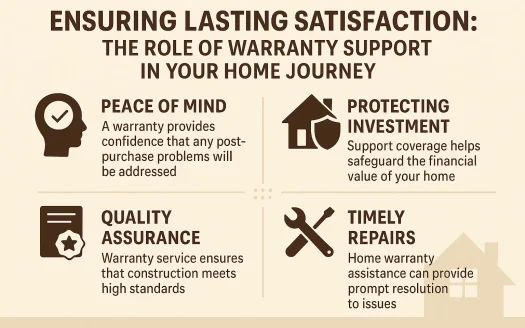
A common structure is one year on workmanship and materials, two years on major systems and ten years on structural components, but the details vary. Ask who administers the warranty, since some builders handle it themselves and others use a third-party company. Ask how requests are submitted, how fast the builder responds and whether it does an inspection near the end of the first year. Our new home warranty guide has more.
Step 6: Compare incentives and the contract
Builders usually compete with incentives rather than price cuts: closing cost help, rate buydowns or design center credit. These are often tied to using the builder’s affiliated lender and title company, so get a Loan Estimate from an outside lender too and compare the totals. Then read the contract terms that differ most from builder to builder: deposit amount and escrow, completion and outside dates, delay clauses, financing terms and dispute resolution. Our contract-to-closing guide explains each one.
Comparing two builders side by side
Buyers often end up choosing between two builders with similar homes in the same area. Lennar vs. Taylor Morrison and Lennar vs. D.R. Horton are common comparisons. Rather than relying on reputation, fill in the same worksheet for each one:
| Compare | What to look for | Where to find it |
|---|---|---|
| Price per square foot, with your must-have options added | The real cost of the home you want, not the base price | Price sheets and the design center options list |
| Standard features | Floors, counters, windows, appliances, lanai, landscaping | Each builder’s standard features list |
| Lot premium | What the lots you like cost on top of the base price | The community’s lot map and price list |
| Monthly costs | HOA dues, CDD assessment, estimated insurance | HOA disclosure summary, contract, insurance quote |
| Incentives | Total value and what strings are attached | Written incentive terms and Loan Estimates |
| Timeline | Estimated completion and outside dates | The purchase agreement |
| Warranty | Coverage, who administers it, how claims work | The warranty document |
| Track record | Quality and service in older communities | Drive-throughs, owner conversations, reviews |
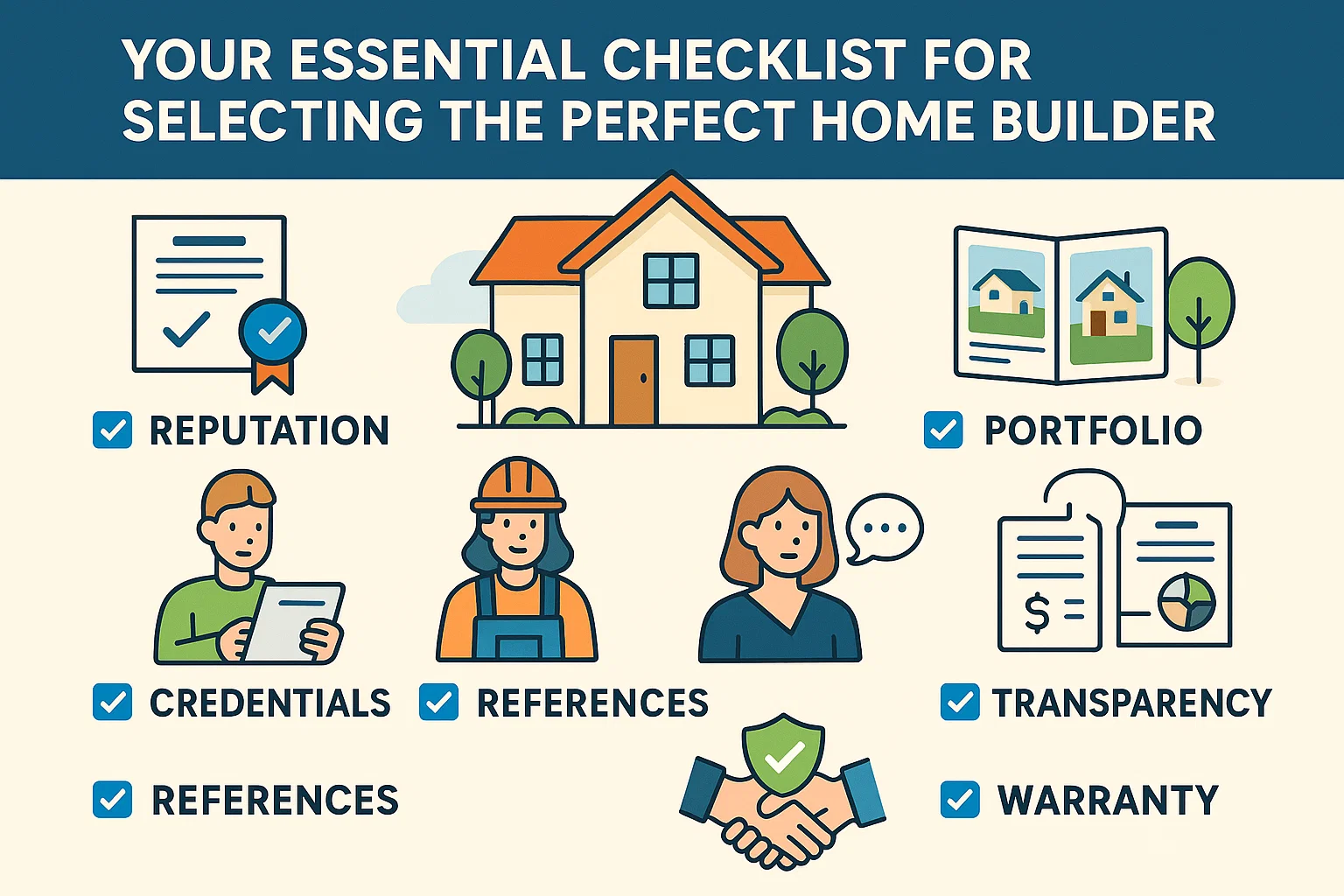
Questions to ask a builder before you sign
About the company
- How long have you been building in South Florida, and how many homes have you completed here?
- Can I see your license number, and are you insured?
- Which of your older communities can I visit, and can you connect me with past buyers?
About the home
- Which features in this model are standard and which are upgrades?
- What energy-efficiency features are standard, and what is the HERS Index score?
- Are impact windows and doors standard?
- What can I change in the floor plan, and what are the design center deadlines?
About money
- How much is the deposit, when is it due and where is it held?
- What incentives are available, and what do they require?
- What are the HOA dues, is there a CDD, and what will my annual assessment be?
- Which closing costs will I pay?
About construction
- What’s the estimated completion date, and is there an outside date?
- Who’s my main contact during construction, and how often will I get updates?
- Can I visit the site, and can I bring my own inspector before drywall and before closing?
About after closing
- What does the warranty cover, for how long, and who handles requests?
- How quickly do you typically respond to warranty requests?
- Do you do an inspection before the first year ends?
Red flags
- Pressure to sign the same day, or a contract you can’t take home to read.
- Vague answers about what’s standard and what’s an upgrade.
- No independent inspections allowed.
- A pattern of reviews describing missed completion dates or unanswered warranty requests.
- Deposits that can be spent on construction without clear disclosure.
Why bring your own agent
The sales consultant in the model home represents the builder. Your own agent can compare builders and communities, review the contract terms with you, push for incentives and keep track of deadlines, and in most cases the builder pays the agent’s commission. Many builders require your agent to register you on your first visit, so bring them along or have them call ahead. Here’s more on how an agent helps on a new home purchase.
Frequently asked questions
How do I know if a home builder is reputable?
Check the builder’s Florida license, read reviews for patterns, drive through communities it finished years ago and talk to the people who live there. Warranty service is where reputations are really made.
What should I look for in a home builder?
Experience building in South Florida, solid construction standards, strong standard features, a clear warranty with responsive service, and a contract with fair deposit and completion terms.
Is a bigger builder better?
Not automatically. Large builders offer more communities, more quick move-in homes and bigger incentives. Smaller builders may offer more flexibility. Judge each on its track record.
Can I negotiate with a home builder?
Base prices rarely move much, but incentives, lot premiums, closing costs and upgrades often do, especially on homes that are already built.
Do I need an agent to buy from a builder?
You don’t have to have one, but it usually costs you nothing and gives you someone on your side. Register your agent on your first visit.
Keep reading
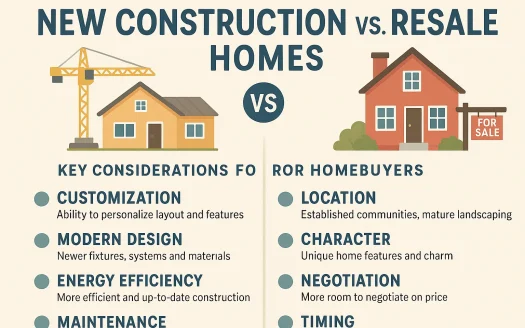
Once you’ve picked a builder, the next decisions are the home type and the contract. See condo vs. townhouse vs. single-family, new construction vs. resale and more guides in Buying New Construction. To compare communities, browse new construction across South Florida.
Written by David, a licensed real estate agent with 20 years in the business. Updated November 2026.